
Fifty Ways to Build Your Power
Start now. By 2028, we’ll be unstoppable.

Personal outreach in the real world can beat money in politics, but we have to scale it way the heck up. Here are fifty ways people and communities can tap into their experience, relationships, and local knowledge to elect people who will answer to them once in office. Start now for the midterms. Spend next year building power for 2028.
Fifty Ways
Volunteers can help people get elected by facilitating outreach to voters, creating visibility, providing intelligence, amplifying messaging, or by playing a “staff” or support role in the campaign itself.
All of these activities are doable. (I have either done them myself or seen them done.) But you don’t have to do ALL of them. Different activities work in different situations. The key is to have a big menu to pick from! Volunteers: choose what brings you joy. Campaigns: figure out what would work in your district, find out what your volunteers can do, and plan accordingly.
This is an incomplete list! Please add your own in the comments!
1. Adopt your block or apartment building.
A precinct is a long-term goal. Start with your own block. Something easy like making sure their registration is up to date. Apartment buildings and gated developments are helpful as campaigns often can’t get access.
2. Host a house party.
It doesn’t have to be big. Research shows that a house party with just ten attendees will, on average, generate 280 valuable in-person word-of-mouth conversations.
3. Organize a speech, debate or town hall.
Work with your sorority, fraternity, professional or service association. Even if your group is non-partisan, you get to choose the questions that reflect your values. If your group endorses, go all-in!
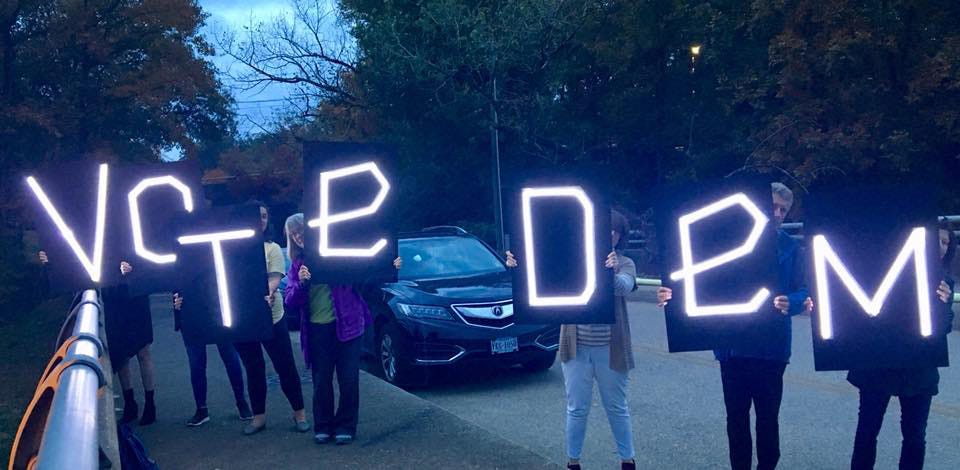
4. Hold signs on a freeway overpass.
Visibility brigades are popping up all over the country! Join one here or start your own.
5. Host a community service activity.
Organize campaign volunteers to do a clean-up or food drive or other community service activity.
6. Organize a parade presence.
Build a big crowd. Get a banner. Hand painted signs are awesome (but mind your message discipline.) A paper mâché parade float or giant balloon is even better. Hand out freeze-pops. Go nuts.
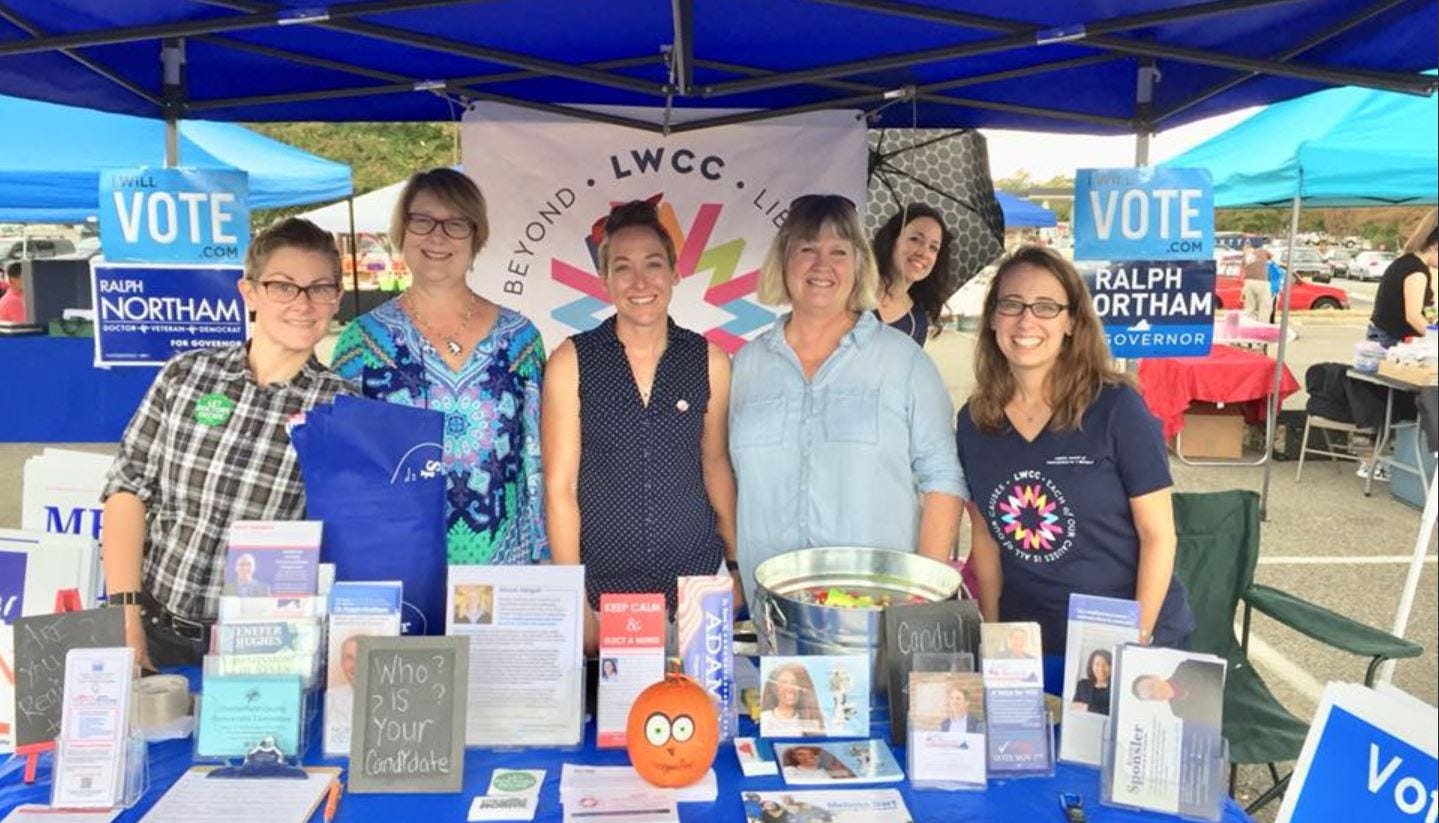
7. Table a farmers’ market or fair.
Or if you can’t get a table or booth…
8. “Street team” an area with heavy foot traffic.
Organize 2 to 16 people to hold signs, distribute materials and interact with people in public, high traffic areas, to generate both visibility and personal conversations. Wear your matching t-shirts!
9. Host a picnic, BBQ, spaghetti dinner, pancake breakfast, ice cream social…
Food is a great way to draw non-political people and expose them to your campaign as they eat. It helps if you also have a local “catering” team.
10. Unleash your inner chef.
Start a “kitchen crew.” Anything from a loose group that feeds volunteers or caters fundraisers to a team that can put on a “whole hog” BBQ.
Why build teams?
Volunteers may have a lot of time and expertise, but decline because they can’t always guarantee their availability. They key is to build a team that can take collective responsibility. For example, in a kitchen crew of 15-20 people, a candidate who needs food for an event can submit a request and then maybe 8 people commit to bringing 3 appetizers each. Teams can support each other in developing skills and building institutional knowledge, while letting each member drop in and out as their other priorities allow.
11. Unleash your inner wedding planner.
I see you, Pinterest people! Let people putting on local events focus on the community outreach, audience building and programming, while you ace the logistics.
12. Help provide audio/visual tech for campaign events.
Whether you own the gear or just know where to get it and how to use it, it’s one job that needs to be done right, that you can take off the campaign’s to-do list (and budget).
13. Put on a performance.
Deejay or have your funk band or string quartet perform at an event. Busk the village square. Do stand-up or cabaret at a campaign talent-show fundraiser. Have your band march in a parade. Entertainment always makes things better!
14. Write your personal endorsement.
Your reasons for supporting this candidate may ring true for someone else too. Write down your thoughts and share them in a letter to the editor and on your social media. Here’s a great one. (Yours can be MUCH shorter.)

15. Join an amplification network.
Commit to getting text alerts, stopping whatever you are doing for a moment, clicking the link, and reposting that content to your socials.
16. Learn your talking points and use them.
Every volunteer should be prepared to spread the word and stay on message. Campaigns need a pipeline to distribute message guidance, including framing strategy. Even supporters who can’t volunteer should know what to say, every day, in conversation.
17. Be a social media ambassador.
Volunteer to be a campaign’s ambassador to Twitch or Pinterest or Reddit or whatever platform you live on. You know the unwritten rules and social protocols. Help them navigate and develop a plan that doesn’t make them look like a noob.
18. Set up volunteer coordinating platforms.
Volunteer coordinators often don’t know tools like Discord, Signal and Slack. If you do, you can set up the campaign or community volunteer teams and teach people how to use them. Even a Google group needs a good admin.
19. Start a postcard group
Postcards work best when they are local and personal. Maybe skip the mass national campaign and do something more individual.
20. Carry out a poster campaign.
In many big cities you can do wheat paste poster campaigns. In some places you can post on phone poles or notice boards. You can have people put posters in their windows anywhere, especially if they can’t do lawn signs or don’t have lawns.


Thank you for reading Reframing America! My work is completely financed by subscribers like you! All content is free, but many people choose to become paying subscribers to help support this mission of improving how we communicate! Use this link to subscribe or upgrade! Thank you!
21. Stealth campaign your grade school pick up line.
Organize your fellow parents to “saturate-visibility” your school drop-off and pick-up lines with bumper stickers, t-shirts and buttons.
22. Stealth campaign your local sports events.
Organize your fellow parents to wear their t-shirts, hats and buttons to little league or high school football games. Sometimes, making this look unplanned makes it even more convincing.
23. Design a t-shirt.
Work with the campaign to design t-shirt graphics that people would like to wear even if they weren’t supporting the campaign.
24. Hand silk-screen t-shirts.
Wearable merch is advertising and endorsement. DIY screening allows you to produce and distribute widely for free or at cost. (My nieces learned how to do this in high school.)
25. Make other campaign merch.
Some people own embroidery or Cricut machines. A button press is not a huge investment. If this is your idea of a good time, make yourself a source for at-cost, volunteer-labor campaign merch.
26. Paint a mural or side of a barn.
This can be a blast, and is a great activity particularly for people who like to do things with their hands rather than talk to people. I once had a volunteer who painted signs and billboards for a living. You never know until you ask!
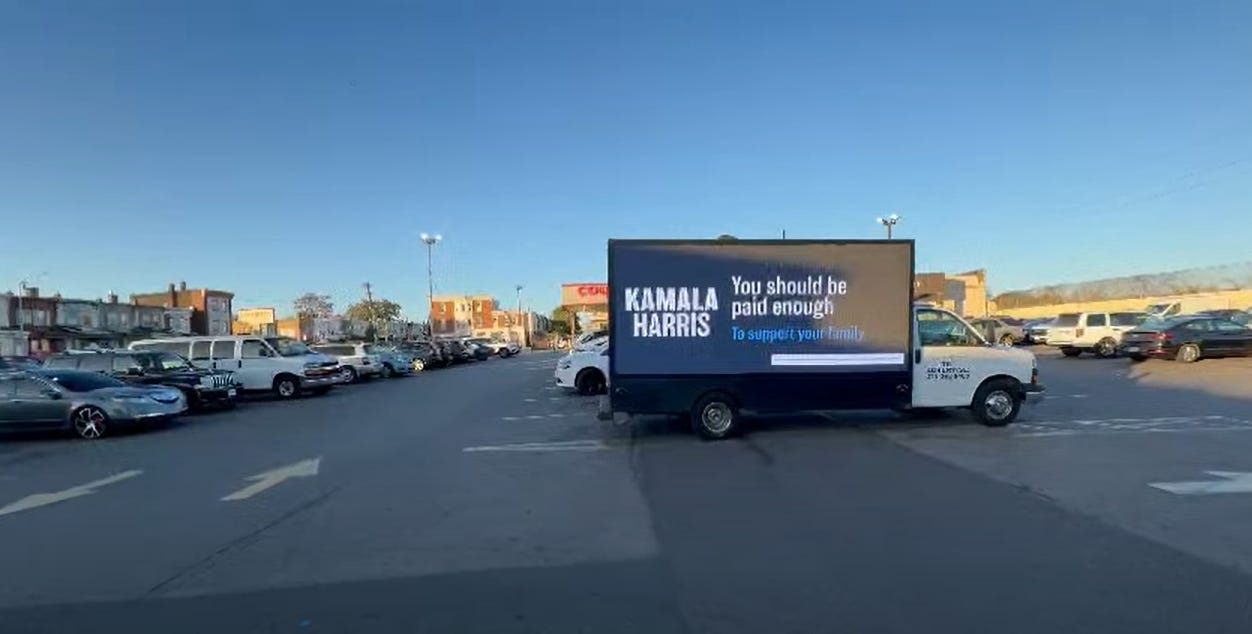
27. Organize a billboard project.
Just researching the options, costs, and deadlines can be a big help.
28. Build a lawn sign campaign.
Lawn signs are critical drivers of word-of-mouth, so don’t wait for people to request them. Map out high visibility streets and recruit supporters who live on them.
29. Drive and deliver.
Some people won’t talk to voters but will drive canvassers on their routes, deliver lawn signs, truck campaign materials across the state, or drive voters to the polls.
30. Monitor the media.
Help the campaign track stories about the candidate, the opponent, local and national news, so you can reframe (not debunk!) attacks, and find ways to insert your candidate into the story and create timely content.
31. Research local press opportunities.
Help the campaign build up-to-date press lists. Identify and research who is covering the campaign. Inquire about editorial meetings and Op-ed submissions.
32. Start a letter to the editor group.
LTEs are still one of the most read parts of news online or off. Here is a great resource you can use to write one or start a writing program. Women Forward: Write to Win.
33. Organize a video or “media corps.”
Only presidential campaigns have a dedicated press corps, but if the press won’t cover you, cover yourself. Recruit media savvy young people to “cover” the campaign and feed content to the campaign’s socials. You can even set up a project with a local journalism or media school.
34. Become a “staff” writer.
Many volunteers have professional experience in writing, marketing, and advertising. Deep-pocketed campaigns pay vendors to have their junior associates write crap email and content. Campaigns could have a volunteer “writer pool” write way better stuff.
35. Be a webmaster.
A good website manager could help create visually appealing websites that persuade voters and lure people in to the campaign, instead of just demanding money and listing policies.
36. “Map” your community.
Every community has many orgs and sub-communities. Tapping into them is way better than advertising to them. Query your volunteers and supporters. Map groups and find people to act as entry points and validators. Even supporters who can’t do stuff, know stuff or have stuff that could be useful. Ask them about their groups, visibility opportunities, who they know, or even if they have folding tables to spare.
37. Organize a pop-up campaign office.
No campaign can afford an office in every town or neighborhood. You can help organize a short-term “pop-up campaign office” in your community, with a launch party and volunteer events.
38. Help find office space.
Know local real-estate? Help the campaign find spaces for campaign offices, canvass launches, or pop-up-offices.
39. Help organize a speaker program.
Hunting down opportunities for appearances by candidates and surrogates is super helpful, especially if you can research locations, requirements and deadlines well in advance.
40. Become a surrogate speaker or listener.
Training and coordination are required to actually speak for the campaign, but you can also help the campaign have a presence by reading a letter from the candidate aloud or just being there to listen.
41. Help the campaign coordinate endorsements.
Campaigns need endorsements. Soliciting options, minding deadlines, helping to fill out questionnaires and assessing potential risks is an important volunteer job.
42. Organize a campaign constituency group.
Whether you are a woman, a veteran, a Hokie or a Trekkie, start a “So-and-sos for Candidate” group in whichever community you belong to. And get t-shirts.
43. Connect the candidate to your religious community.
Talk to your religious community leader and find out how to appropriately give your fellow adherents a chance to meet and evaluate the candidate.
44. Organize local business owners.
Help to recruit local small businesses that can donate services, put campaign posters in their windows, and otherwise validate the campaign to their customers and the community.
45. Organize a high school or college group.
Organize a “Huskies for Hamilton” or Young Dems group at your school. Organize a registration drive and/or pick from this list of activities!
46. Take photos.
It’s actually astounding how many candidates have terrible pictures on their websites and materials. A photographer who understands lighting could be a huge help!
47. Collect signatures.
Every campaign, candidate, or issue, needs ballot access, and that means signature gathering. They won’t need to pay a costly firm to do it if your community builds their own operation.
48. Register voters.
Register voters, but mind the local laws. In some places, it would be critical to have a program that helps people acquire the identification they need.
49. Provide legal support.
Campaigns need help adhering to campaign finance law, protecting voters’ rights, and making sure petitions are written, circulated and submitted correctly. If you’re an expert, volunteer. If you’re not, learn!
50. Learn how to “cut turf” for canvassers.
You would have to learn how, but it’s not that hard! Paid field staff create volunteer canvassing packets based on maybe one day’s training.
Bonus
Contact voters by phone or door to door.
Provide bookkeeping support.
Help protect voters and fight vote suppression.
Watch volunteers’ kids.
House campaign workers.
Host a canvassing outpost in your home.
Do data entry or online research.
Staff the campaign office.
Help “get out the vote” and staff the polls.
Help “cure” ballots.

Thank you so much for reading this. I hope it is of use to you in your work and activism!
In solidarity, always,

Like this post, but not ready to become a paying subscriber? Leave me a tip of any amount you like at my tip jar! Thank you!
NOTES
If you are wondering why I am giving you this list or why it makes sense to build campaigns around volunteer outreach, here are the previous posts that put this post into context!
We have the power. We have had it all along.

If we want candidates to reject big money, we have to provide a better way for them to get votes. We can do that. We already have the power. The word of a friend or neighbor has always been the most effective way to influence someone’s vote. Soon, it may be the only thing that does.


Contact me at antonia@antoniascatton.com or (202) 922-6647

Here is a good place to start!
https://substack.com/@michelehornish/note/c-265524818?r=7t9yn